Sending a single broadcast email to your subscriber list won’t drive long-term book sales. Host Juliet Clark breaks down why relying on one-off newsletters fails and how proper Author Email Automation creates a reliable pipeline for your releases. You’ll learn the critical difference between broadcast messages and automated drip sequences that nurture readers on autopilot. Juliet reveals the five essential email automations every author needs to build before year-end to turn casual downloaders into dedicated fans. She also shares proven strategies to clean inactive contacts from your list so your deliverability rates stay high. Implement these automated systems today to transform your reader list into a high-converting audience for your next book launch.
—
Watch the episode here
Listen to the podcast here
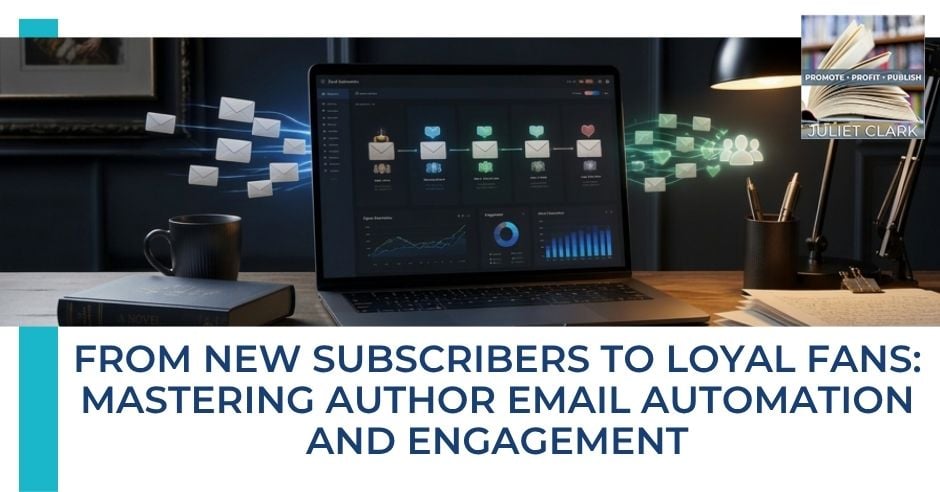
From New Subscribers to Loyal Fans: Mastering Author Email Automation and Engagement
Welcome to the show. Last episode, I talked about Q4 and what you should be doing if you’re a first-time author versus everybody’s intuition about how I should launch and get on the Christmas list. I’m going to talk more about that list building. If you have 1,400 people on your list, you’ve sent a newsletter in June, nobody bought it, and now you’re thinking email does not work for you, you’re probably not right. Email works fine. You’ve just handed it the wrong job. That’s what I want to talk about is you’re using a megaphone when you need a conveyor belt.
Distinguishing Broadcasts from Automated Sequences
The first thing is that you need to know the difference between a broadcast versus a sequence. A broadcast is one message sent to everybody at the same time. It’s an announcement, a launch, a newsletter, and it dies after 24 hours. That’s probably the key distinction that you’re thinking about that, that did not work was that you made a broadcast, and nobody bought. I did that a couple of weeks ago with my Arc team. Three people opted in. I have a list of almost a thousand people. I was a little shocked by that. I went back, and I put it in a sequence.
When I put it in a sequence, more people signed up. A sequence is actually automation, whether you’re using Mailchimp, Go High Level, or whatever you’re using. It is a set of messages triggered by an individual’s behavior and delivered on their timeline. It runs forever without you touching it. Now I did not set mine up to go on forever. I had a limited time window because I needed people to read that book in order to be able to leave reviews over on Goodreads and Amazon right after that book launch came out.
Stop treating your email list like a megaphone. Use automated sequences to meet readers on their own timeline and boost sales. Share on XHarnessing Drip Campaigns for Ongoing Reader Engagement
My actual last message in that sequence was, “Do not forget to leave your message or your review.” That’s where we get in a bundle with this is the failure mode is that most of you only have broadcasts. You do not actually have a system set up with a drip campaign. We call it a drip campaign, a neaf nurture sequence. There are lots of different names for it. It is all the same thing. What it means is that when a reader joins your list on a random Tuesday in October, they do not get anything until the book comes out or whatever you want them to do next.
If you set up a sequence, it keeps tapping them and reminding them that you are there and that you have a book launch. I’m going to give you an example. When The Fortune Teller’s Daughter was given away as a free gift, it had a sequence behind it that went out once a week for five weeks. What did that do? That book came out on May 12th. I had a new book coming out because I did a whole sequence in the series where I released them very quickly.
The next book came out on June 30th. What that did is people who opted in to get The Fortune Teller’s Daughter in May got reminder notices. “How did you like the book? Did you go over to Amazon and leave a review? By the way, we have this book coming out,” and the link for that. It kept it going between book releases so that people who maybe missed the first one got it again. I did the same thing with the arc series. I sent it out. I put automation in place so that people who did not see it the first time, I said three people out of a thousand, re-opted in to get that new book because I have an opt-in system for it.

I know exactly who to go back to and write an email to remind them, “The book’s coming out tomorrow. Do not forget to leave a review.” We did the same thing there. We put the nurture sequence out so it tapped them about ten days later and said, “Just a reminder, we have this book that you can go over and read for free in exchange for a review. Did you grab your free copy?” People who may have missed that first email opted in again.
Structuring an Effective Welcome Delivery Series
I just want to talk. Here are the five automations that I think every author should have live by year-end. If you have not done this before, this is going to sound like a lot of work, but it will give you a great reward. Please consider it. The first one is your welcome delivery series. What are you giving away for free that is going to bring additional people into your list?
If you’re a writer like me, a mystery non-fiction writer, it might be a novella. It might be an old book that you do not care about selling. You want to give it away. That’s what we did. The Fortune Teller’s Daughter was probably, I would say, the weakest story in our series. I gave it away for free. It is an older book. We just updated it. That was the case with the first three books in our series. We had released them a long time ago. I say a long time ago, fifteen years ago.
A great freebie isn't enough. Build a 4 to 6-email welcome series to turn free downloaders into active reviewers. Share on XWe released them then. They outdid their usefulness. When I went back to release them, I updated them because look at how much technology has changed from 2010 to 2026. They were a little bit different, and they had some enhancements in them as well. What we did was we said, “Come over to the website, get the freebie.” I put that freebie into BookFunnel to build the list. I did Facebook ads to build the list.
It was all there, and I got 300, almost 300 people in very quickly with that free book. Once it delivered the free book, I just did not let it go. We had timed emails, like I just said, once a week that went out that reminded them, please leave a review. How do you like this? Here’s an excerpt from our next book. Have that ready to go for your people by the beginning of the year. The next one is the nurture story sequence.
Crafting a Compelling Nurture Story Sequence
This is where someone opts in and lets me just go back here. The welcome delivery should be 4 to 6 emails. The nurture series story sequence should be 5 to 8 emails. What that should be is to turn a downloader into a fan. An origin story. Why do you write what you write? If you’re doing media interviews, maybe introduce those at the time. Give them the setting behind the book.
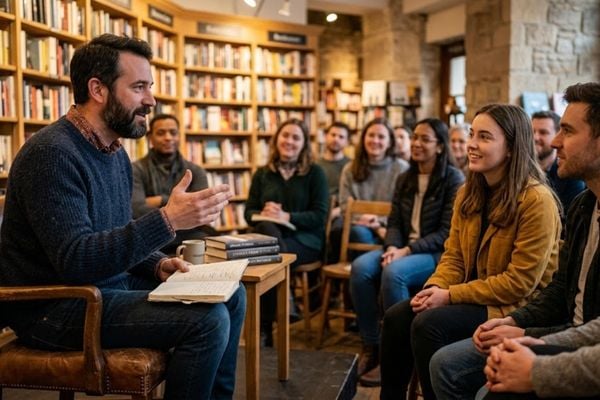
Why do you write a sample chapter of your next book? I’m actually getting ready. We have a book coming out probably November-ish. I have not decided, vacillating between November and January. We’re already like, “Who wants to read this?” It’s because we want those reviews to go in right away. We have different things. I want to make it really clear. One, sequence one, and sequence two do not sell anything.
Introducing New Books with Soft Offer Sequences
Do not keep hammering them. Buy my book, buy my book, buy my book, because then they know you do not have a list. Let me just go back there. Those first two are earning you the right to sell them something. The third sequence is a soft offer sequence, and this should be three to four emails. The job of this is to introduce the book, your new book, as the natural next step. Remember, I just said this is not a launch blast.
You do a sequence of 3 to 4 emails and talk about the new book. Just give, “Here’s the link if you want.” Do not say, “Buy my book.” Tell them about the origin story in it. Tell them a little bit about the story. Tell them why it’s different from anything else out there. Keep them intrigued about this upcoming release that you’re going to have. The next one is the fourth one to give up by the beginning of the year is your launch sequence.
You don't need aggressive sales pitches to sell books. Soft offer sequences naturally guide warm readers toward your latest release. Share on XExecuting a Strategic Book Launch Sequence
Your job here is, if you look back at these last three sequences, you’ve been warming them up. You’ve been making them a fan and getting them ready for that next release. You’re converting a warm audience. It’s no longer a cold audience who does not know who you are. Announce, give samples, social proof, urgency, last call. We are getting ready to release Bad Lie, and we are running that off of the fact that Dark Granny won the Indie Gold for Mystery, and Farmhouse Forgotten won the grand prize in the Indie Gold.
Revitalizing Your Email List with Win Back Sequences
We’re letting our readers know, “Look, we are awarded. I’m an award-winning author here, and I have a brand new book coming out. Get ready to read it.” This is what the cadence should look like if that launch is going off those past wins. If you do not have past wins, a warm audience. Getting that warm audience all excited about what’s coming next. The fifth one you should have is what I call your re-engagement or your win-back sequence. If you have not communicated with that warm audience in a while, wake up the people who have not opened in the last 90 days, then clean out the ones who still do not.
People look at this, and they go, “It took me so much to get these people on my list, and now you’re telling me to delete them?” It sounds crazy. Here’s the deal. I have someone that I watched for years who, after 90 days, looked at her open rate and then wrote an email to those people who had not written, had not opened in 90 days and she said, “I value you. I noticed you have not opened. If I do not hear from you in the next,” and give it a timeframe, like 2, 3 weeks, “I’m going to delete you and you are free to resubscribe at any time.” What did that do for her? It got her lit.
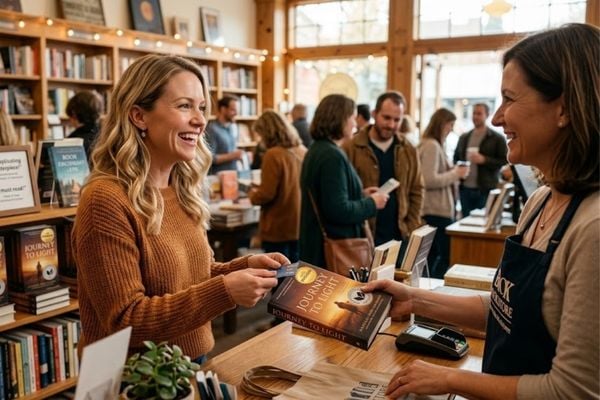
It took a dead list, and she got the dead weight out of her list. What it really did was that for her next launch, she had people who were pretty much a hundred percent open. She put out that launch sequence. She knew exactly where every one of those readers was. She had put out a survey. She knew where they read. That’s how she took herself from an Amazon bestseller to a USA Today bestseller because she had a really clean list of fans who opened and bought the book.
You need two different platforms. You need sales on two different platforms to be able to make those big bestseller lists. You cannot just write on the Amazon bestseller with that. I cannot talk. It protects your deliverability and your sender reputation. It quietly determines whether anything else on your list works. You can see that what we did here was to really position it to keep a clean list. How do you manage all this? Let’s go back to our segment on three, where authors get it backwards.
You’re trying to figure out who’s listening. Selling in one email instead of five emails. Maybe that very last email you do a soft sell. Sending a monthly newsletter, that really helps as well because people get really shy about “What am I going to do? I cannot keep sending these people something every week.” Remember, you have the sequence that’s running that they opted into. That one list, that newsletter, keeps them up to date and keeps you top of mind.
A smaller, highly engaged email list beats a bloated inactive list every time. Clean out unengaged contacts to boost deliverability. Share on XI say this because you’re not going to release a book a month. You may release a book a year, and you’ve got to keep these people updated. I have that newsletter. What’s released? What’s on your backlist? What are you writing about currently? One thing the authors do well. They want to be famous. They do not want anybody to see them, which is hilarious, almost passive-aggressive.
Keep in touch with them with that newsletter. Get that newsletter going. That can be your once-a-month follow-up that maybe is a blast that keeps them top of mind. Bottom line here. It’s very important to keep in touch with your readers and your fans. Find a way to do it. If you’re someone who’s looking and who has a newsletter and you want more traction and more followers from that newsletter, not only will you have your opt-in, you’ll use something like BookFunnel, and you’ll go, and you’ll do swaps.
That newsletter is in your genre and gets people interested. Hopefully, you guys will get all this done. It’s a lot of work. Remember the last episode I talked about. If you’re a brand-new author, January is your release season, not November or December. This is where you build your list and put in the hard work in September, October, November, and December for that launch in January. I’ll see you guys next week.
Important Links
- Perfect Reader Playbook
- The Fortune Teller’s Daughter
- BookFunnel
- Bad Lie
- Dark Granny
- Farmhouse Forgotten
Love the show? Subscribe, rate, review, and share!
- superbrandpublishing.com
- Promote, Profit, Publish on YouTube
- Follow Juliet on LinkedIn
- Take the Quiz!